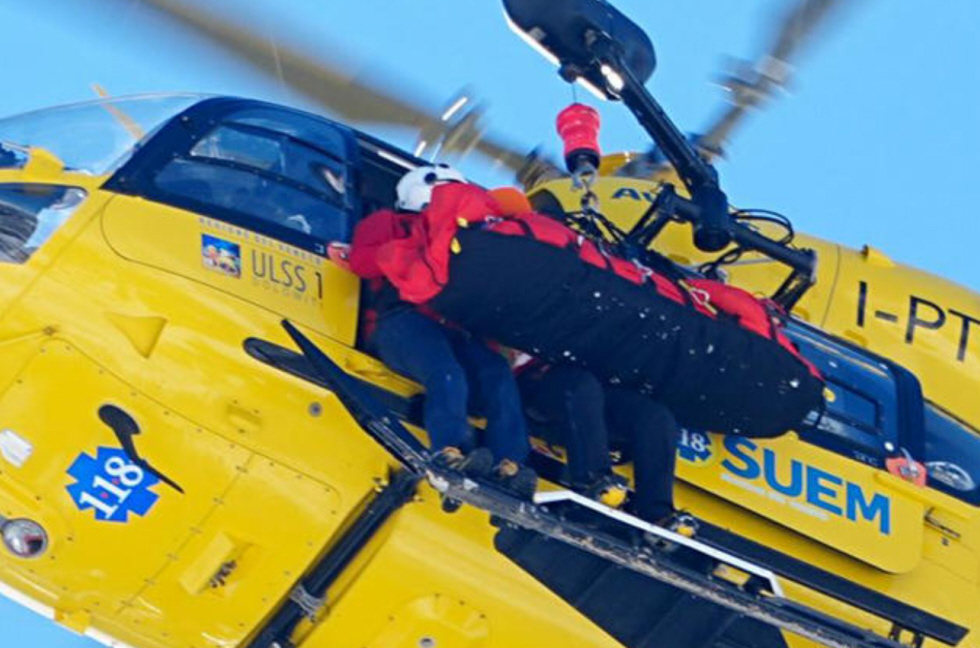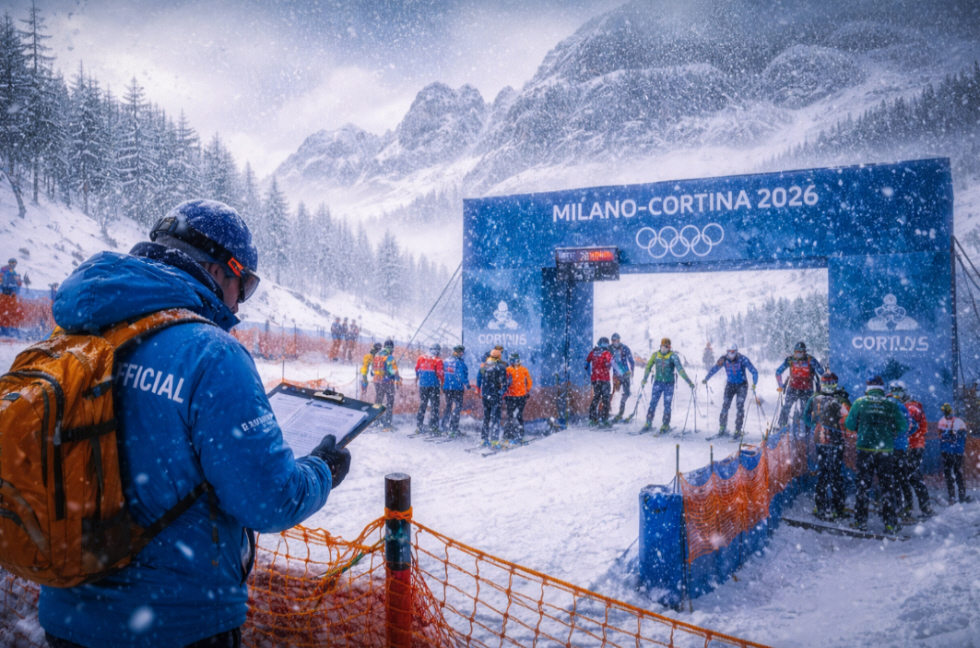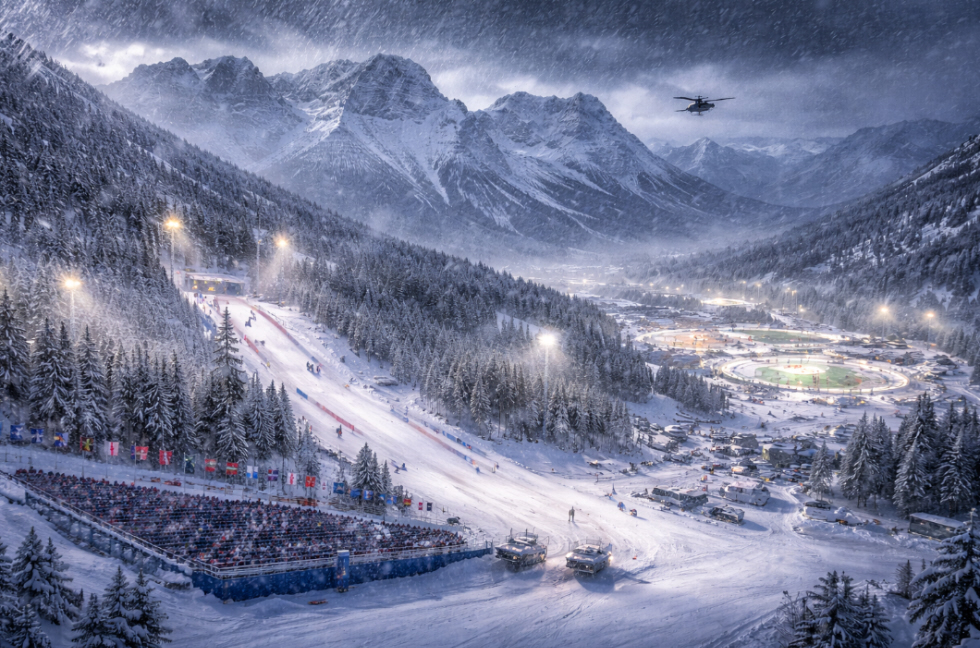
Weather conditions are emerging as one of the key challenges facing the Milan–Cortina Winter Games. With venues spread across different Alpine regions, organizers must prepare for a wide range of climatic scenarios during the Olympic period. Alpine weather is known for its unpredictability, with sudden snowfall, temperature swings, and strong winds capable of disrupting competition schedules.
These factors are particularly critical for outdoor disciplines such as alpine skiing, sliding sports, and endurance events. Officials have emphasized that contingency planning is central to the operational strategy. Flexible scheduling, backup competition windows, and constant meteorological monitoring are expected to play a decisive role in ensuring events proceed safely. For athletes, weather variability adds another layer of complexity to preparation.
Changing snow conditions and visibility can significantly influence performance, requiring rapid adaptation and strategic decision-making. Logistics and transportation are also affected by weather risks, especially in mountainous areas.
Maintaining reliable access to venues during adverse conditions remains a priority for organizers and local authorities. As the Games approach, weather readiness will be closely tested. How effectively Milan–Cortina manages these natural challenges may prove crucial to the overall success of the Winter Olympics.