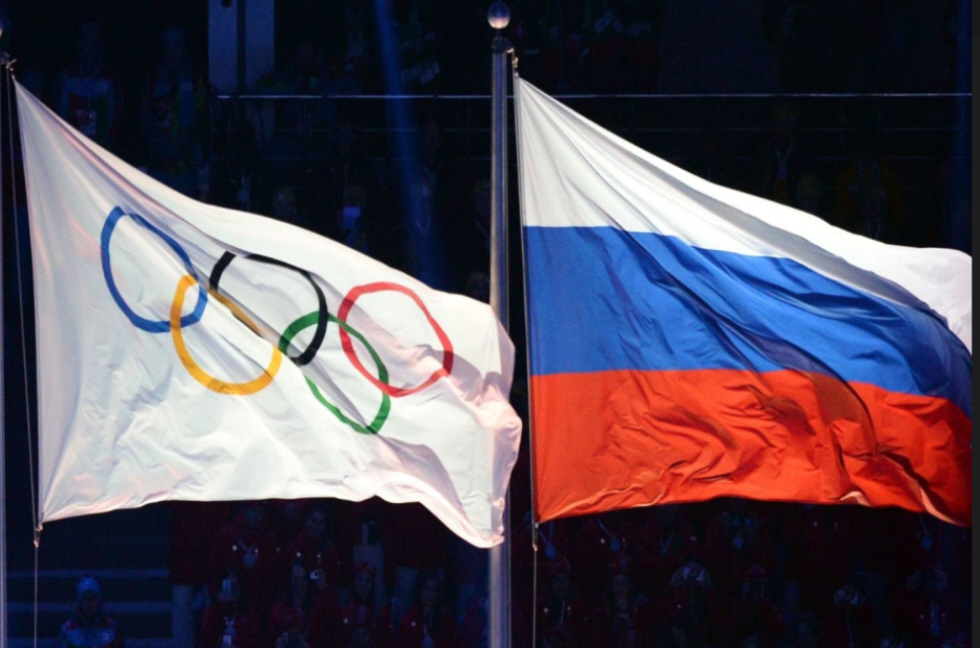
The International Olympic Committee (IOC) has confirmed that athletes from Russia and Belarus will be allowed to compete at the 2026 Winter Olympics in Milan-Cortina, but strictly under neutral status. This means that they will not be permitted to represent their countries, display their national flags, or hear their national anthems during medal ceremonies. Instead, they will participate as “Individual Neutral Athletes,” a designation that continues the precedent established during the Paris 2024 Summer Games.
According to the IOC, only athletes who qualify on merit and successfully pass a thorough vetting process will be eligible to compete. This process requires proof that they have no connections with the Russian or Belarusian military, and that they have not publicly supported the war in Ukraine. Those who do not meet these conditions will not be granted neutral status and will therefore be excluded from the Games.
The Russian Olympic Committee remains suspended due to violations of the Olympic Charter, particularly its recognition of sports organizations from Ukrainian territories currently under occupation. As a result, no official teams from Russia or Belarus will be allowed to participate in Milan-Cortina, and medals won by neutral athletes will not count toward their national tallies. The IOC emphasized that this approach is designed to protect the integrity of international sport while also upholding the rights of athletes who are not directly involved in political or military actions.
However, not all international sports federations have aligned with the IOC’s policy. Disciplines such as luge and bobsled-skeleton have explicitly maintained bans on Russian participation, even under neutral status. This divergence underscores the complexity of applying a uniform standard across different Olympic sports. The decision has already sparked mixed reactions within the international community.
Supporters argue that it provides a balanced solution by separating individual athletes from the geopolitical actions of their governments, while critics contend that allowing participation in any form risks diluting the sanctions imposed following Russia’s invasion of Ukraine.
As preparations intensify for the Milan-Cortina 2026 Games, the inclusion of neutral athletes from Russia and Belarus is likely to remain one of the most closely watched and debated aspects of the Olympic movement, highlighting once again the enduring intersection between sports and global politics.