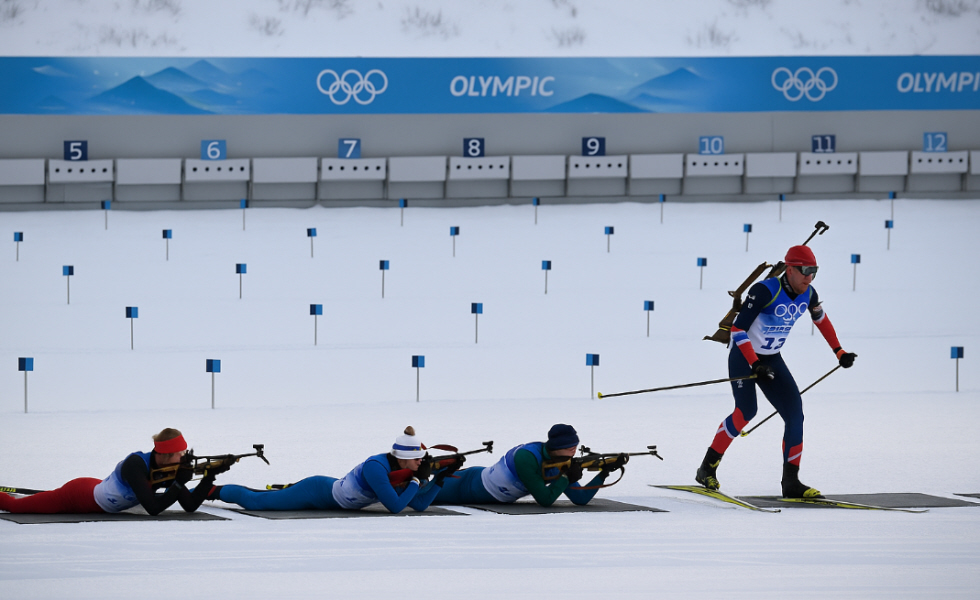
The road to the 2026 Winter Olympics in Milan-Cortina has taken a decisive turn as organizers confirmed that athletes from Russia and Belarus will not be permitted to compete in biathlon, even under a neutral flag. The announcement underscores the International Biathlon Union’s firm stance on upholding sanctions tied to the ongoing geopolitical situation, a decision that will have significant implications for the competition and the nations involved. Biathlon, one of the signature sports of the Winter Olympics, combines cross-country skiing and rifle shooting in an event that demands endurance, precision, and mental focus. Russian and Belarusian athletes have historically been among the strongest contenders, with multiple medals across past Olympic Games and World Championships.
Their absence from Milan-Cortina is expected to reshape the competitive field, opening the door for other nations such as Norway, Germany, France, and Sweden to dominate the medal table. The ruling comes after months of deliberation by the International Biathlon Union and in coordination with the International Olympic Committee. While some sports have allowed limited participation for neutral athletes from Russia and Belarus, biathlon leaders concluded that the integrity of the sport required a complete ban.
Officials cited not only the current political climate but also the importance of maintaining trust and fairness in an event where national representation has deep historical and cultural significance. The decision has been met with mixed reactions. Supporters of the ban argue that it is a necessary step to uphold the values of the Olympic movement and to send a clear message against aggression.
Critics, however, contend that individual athletes who are not directly involved in political actions should not be penalized, emphasizing the principle that the Games should remain a space for unity rather than division. For competitors preparing for Milan-Cortina, the absence of Russian and Belarusian biathletes significantly alters the dynamics. Teams like Norway, already home to champions such as Johannes Thingnes Bø, may find their path to gold less obstructed, while younger athletes from smaller nations will have greater opportunities to rise on the Olympic stage.
The ban adds a layer of political complexity to an event celebrated for its intensity and drama on the snow. As the countdown to 2026 continues, the spotlight will not only be on the athletes competing but also on the broader conversation about the role of politics in sport. For biathlon, the decision marks one of the most consequential rulings in recent Olympic history, shaping both the competitive landscape and the principles by which the sport is governed.