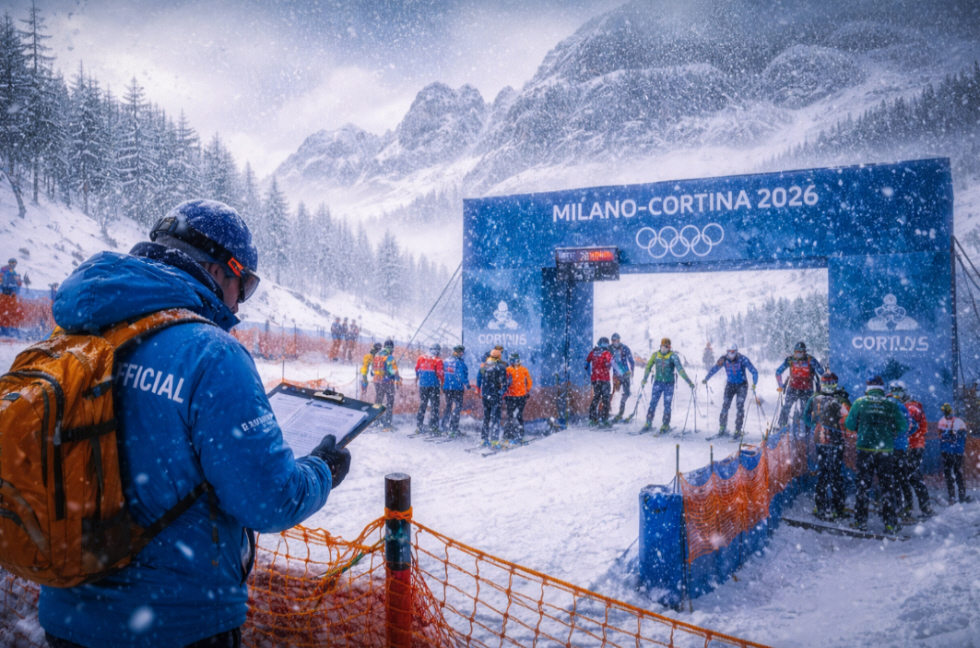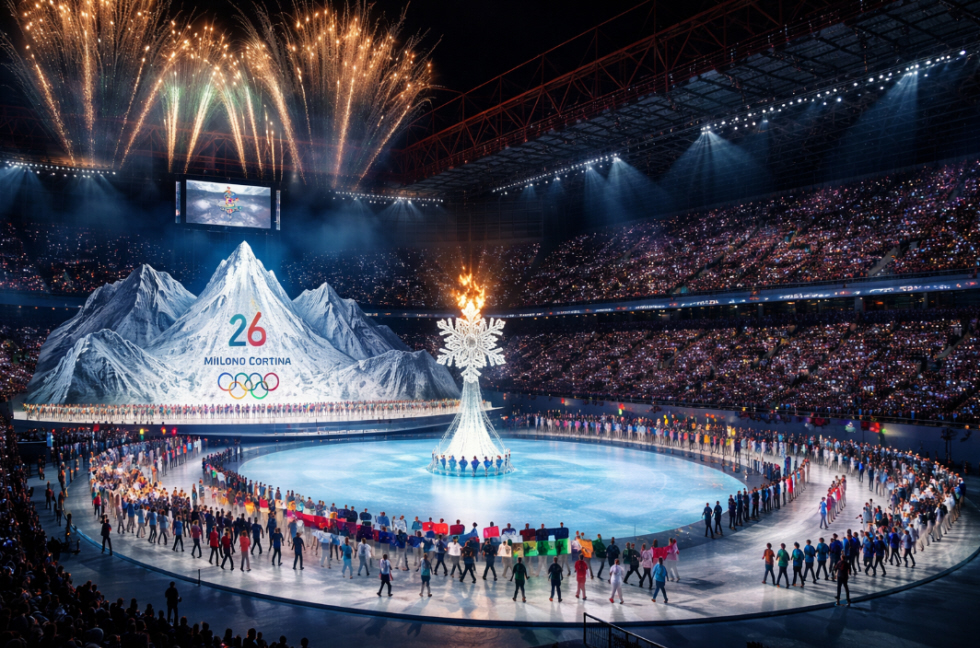
The Milan–Cortina Winter Olympics represent not only a major sporting event, but also a significant financial undertaking for Italy. As preparations continue, the overall cost of hosting the Games has become a central topic in public and political debate. Organizers have emphasized a different model compared to past Olympics, aiming to limit excess spending by relying heavily on existing venues and shared infrastructure across multiple regions.
This decentralized approach is intended to reduce long-term financial risk. The core operational budget of the Games focuses on staging the competitions themselves. This includes event management, temporary facilities, logistics, security, and services required during the Olympic period. Beyond operations, a substantial portion of the total cost is tied to infrastructure projects.
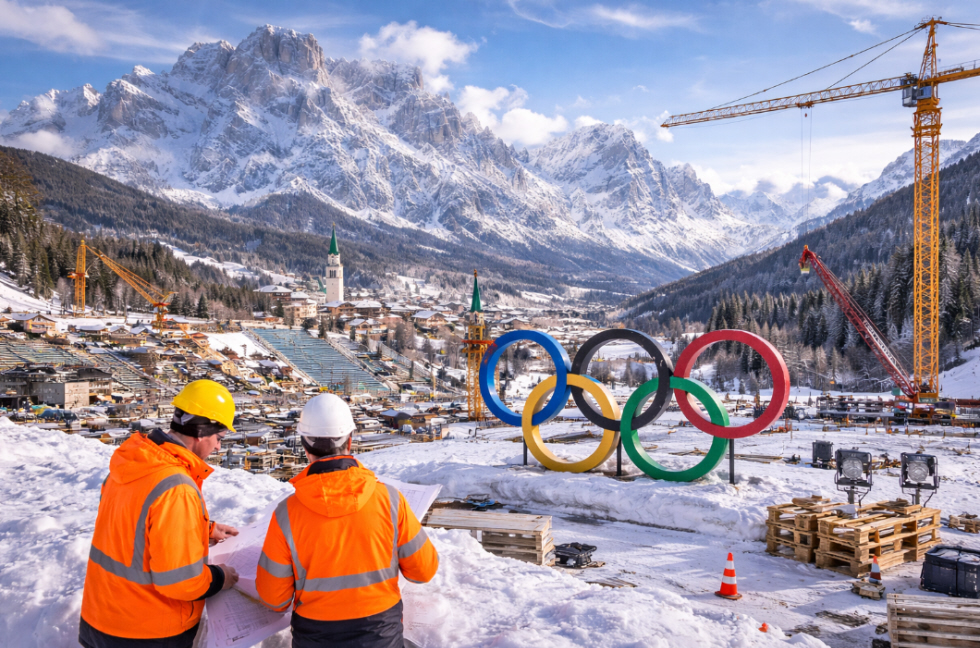
These include transportation upgrades, venue renovations, athlete housing, and connectivity improvements designed to support both the Games and long-term regional development. Italian authorities have framed these investments as legacy-driven rather than purely Olympic expenses. Roads, rail links, and sports facilities are expected to remain in use long after the closing ceremony. Public funding plays a major role in the overall financial structure, particularly for infrastructure. At the same time, private investment, sponsorships, and commercial partnerships are intended to offset part of the burden.
Supporters of the project argue that the Games will stimulate economic activity, tourism, and international visibility for northern Italy. They point to job creation and long-term urban improvements as key benefits. Critics, however, caution that large sporting events often exceed initial cost projections. They warn that budget discipline will be crucial to prevent financial strain once the spotlight fades.
Organizers maintain that Milan–Cortina is designed as a more sustainable and financially controlled Olympics, learning from past editions that struggled with overruns and underused venues. As the Winter Games approach, the true financial impact will become clearer. For now, Milan–Cortina stands as a test case for whether a modern Olympic model can balance global spectacle with economic responsibility.