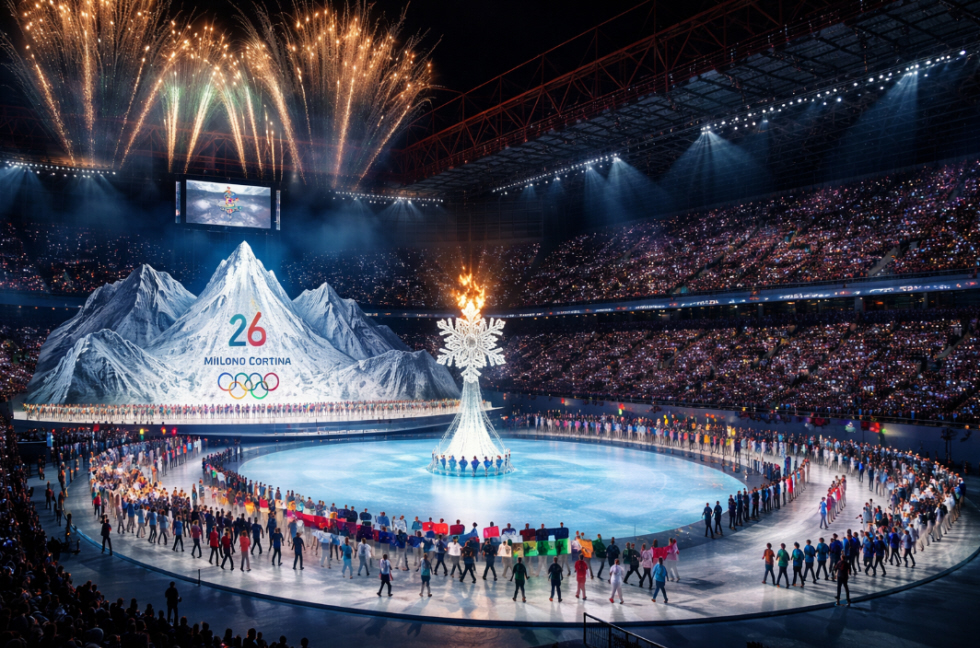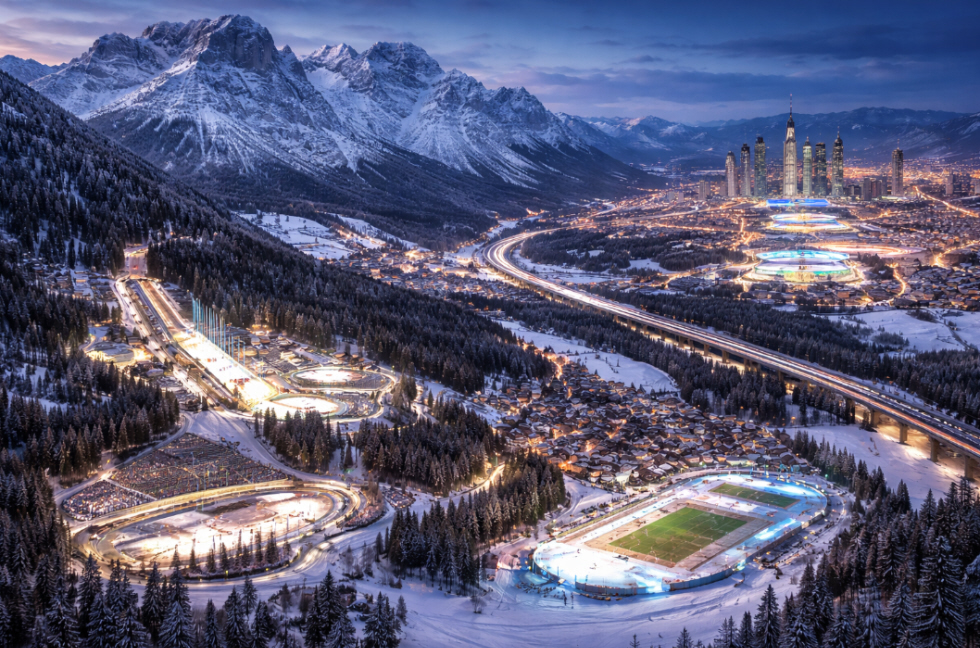
The Milan–Cortina Winter Olympics will be defined by a hosting model unlike many previous editions of the Games. Instead of concentrating events in a single metropolitan area, organizers have designed a multi-venue structure spread across northern Italy. Milan will serve as the urban anchor of the Games, hosting ceremonies, ice sports, and media operations. As a global city with strong transport infrastructure, Milan provides international accessibility and logistical support for athletes, officials, and spectators.
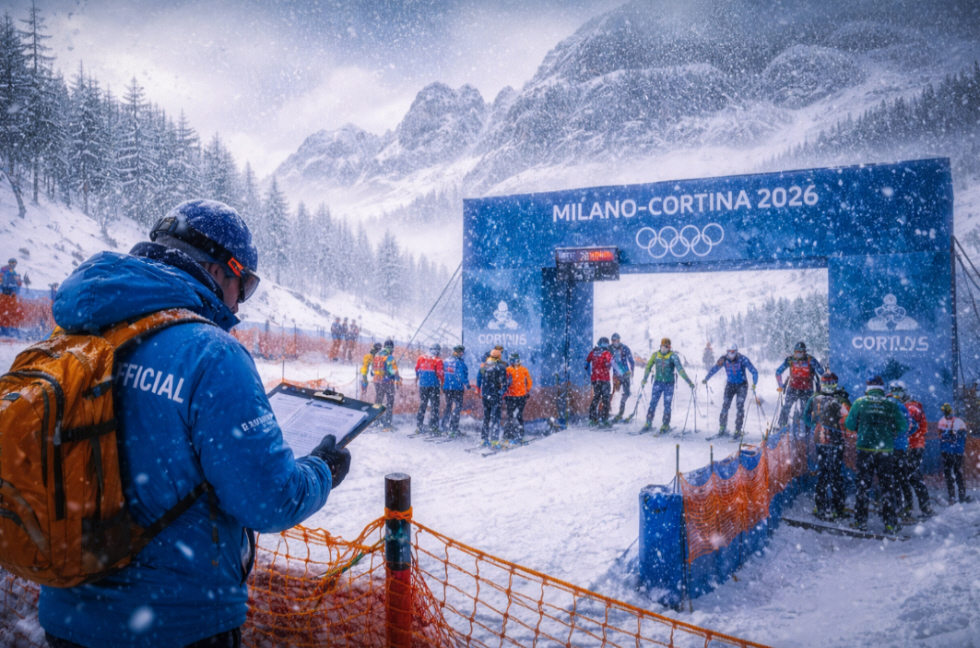
Cortina d’Ampezzo, one of the most iconic Alpine destinations in Europe, will host several key mountain events. Its long history with winter sports and existing facilities make it a symbolic and practical centerpiece of the Games. Other Alpine locations across Lombardy and Veneto will also play central roles. Skiing, sliding sports, and endurance disciplines will be distributed among venues selected for their natural conditions and prior international experience. Organizers have emphasized the reuse and renovation of existing facilities rather than large-scale new construction.
This approach aims to reduce costs, limit environmental impact, and ensure venues remain useful beyond the Olympic period. Logistics remain one of the greatest challenges of the distributed model. Coordinating athlete transport, equipment movement, broadcasting operations, and security across multiple regions requires precise planning and real-time coordination. Transportation upgrades are a key part of the strategy. Rail links, road improvements, and regional transit systems are being optimized to ensure reliable connections between Milan and the Alpine venues during the Games.
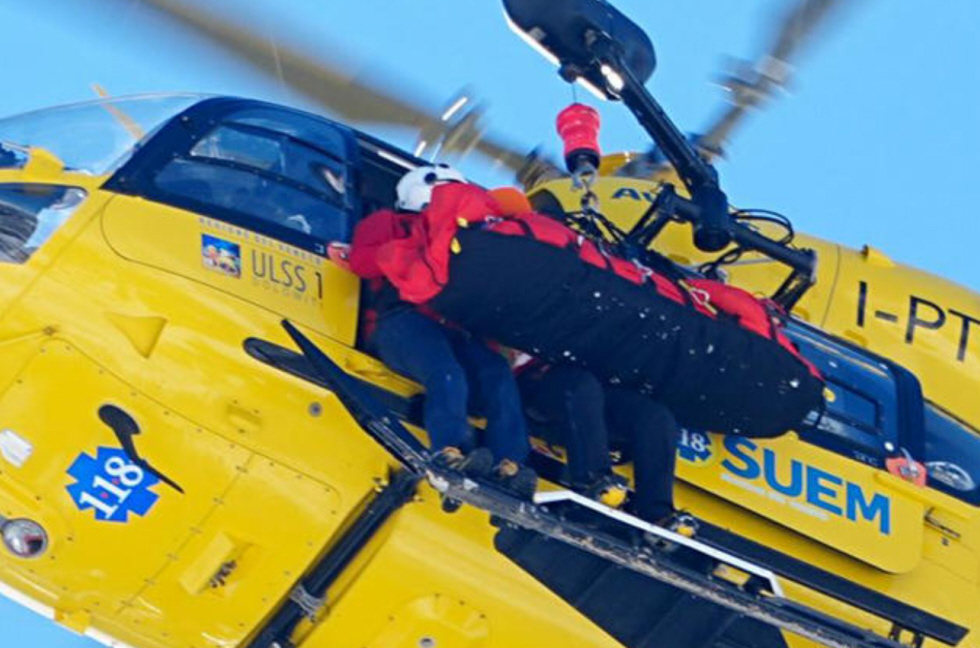
Officials argue that the geographic spread offers important advantages. Smaller communities will share the economic and tourism benefits, while pressure on any single city is reduced compared to centralized Olympic models. Critics note that weather conditions and travel times could pose risks if schedules are disrupted.
Organizers acknowledge these concerns but insist contingency planning is built into the operational framework. As Milan–Cortina approaches, the venue and logistics plan stands as a test of whether a modern, distributed Winter Olympics can balance efficiency, sustainability, and spectacle on the world stage.